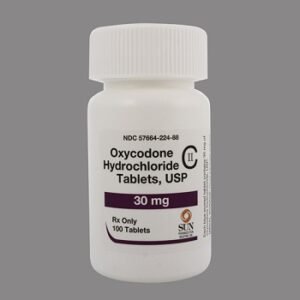
The Composition of Tramadol in Canada
Buy Tramadol online canada;Tramadol is a synthetic opioid analgesic made in laboratories, unlike traditional opioids like morphine or codeine, sourced from the opium poppy in Canada. Particularly in Ontario, Canada, the active component of tramadol, tramadol hydrochloride, interacts with the brain by binding to the mu-opioid receptors. Buy Tramadol online in Quebec and New Brunswick, Canada, without a prescription. It blocks pain signals, offering relief for various discomforts.
In addition to its pain-relieving properties, tramadol significantly influences specific neurotransmitters in the brain, which can have notable effects on mood and alertness. Tramadol is available online in Toronto and Montreal, Canada, without a prescription. While it helps relieve pain, it can also affect mental state, so caution is advised to avoid complications.
The tablets themselves contain not only tramadol hydrochloride but also various inactive ingredients essential to their formulation. Common excipients such as lactose monohydrate, magnesium stearate, and cellulose are used to create a stable and effective pill, although they do not contribute to the medication’s therapeutic effects.
How Tramadol Functions in Your Body
Often hailed as a “safer” alternative to more potent opioids, tramadol’s perception can be misleading. Upon ingestion, tramadol enters the bloodstream, where it is processed by the liver into a more potent metabolite, O-desmethyltramadol. This metabolite exhibits a significantly stronger affinity for opioid receptors in the brain, elucidating why many users report feelings of euphoria or relaxation even at prescribed doses. Order Tramadol online in Manitoba and Ontario, Canada, without a prescription. Users may need larger doses over time to achieve the same pain relief, which can lead to misuse and dependency, especially for those with a history of substance use disorders or emotional issues.
The metabolism of tramadol is not uniform; genetic differences can result in varying rates of liver processing among individuals. Consequently, two people taking the same dose may experience vastly different effects, impacting both the medication’s efficacy and the likelihood of developing a dependence.
The Reality of Tramadol Addiction in Canada
Addressing the question of whether tramadol can lead to addiction produces an unequivocal answer: yes. Scientific evidence and firsthand accounts from professionals at Buckeye Recovery Network in Canada support this claim. Previously, tramadol was considered to possess a low risk of abuse; however, ongoing research has demonstrated that it is capable of inducing both physical and psychological dependence.
Individuals who consume tramadol on a regular basis often develop a tolerance, meaning they need to increase their dosage over time to achieve the same level of pain relief. Withdrawal symptoms can onset within mere hours after the last intake, manifesting as restlessness, heightened anxiety, excessive sweating, nausea, and insomnia. This cycle of tolerance, withdrawal, and compulsive use epitomizes the classic trajectory of addiction.
At Buckeye Recovery Network, we frequently observe this disturbing pattern. Many clients first seek recovery after unsuccessful attempts to discontinue tramadol on their own. Our dedicated team features medical professionals who offer medication-assisted treatment (MAT) if necessary, along with therapists who delve into the psychological and emotional factors contributing to substance use.
It’s vital to understand that physical dependence on tramadol can occur even when the medication is taken precisely as instructed. This phenomenon should not be construed as a personal weakness or lack of willpower; rather, it signifies that the brain has adapted to the presence of the drug, and abruptly halting its intake may result in uncomfortable withdrawal symptoms.
How Long Does Tramadol Remain in Your System
When considering tramadol for pain relief, many users are keen to understand how long it remains detectable in the body. The duration is not uniform for everyone; it depends significantly on factors such as metabolism—the rate at which the body breaks down substances—dosage, the duration of medication use, and the individual’s overall physical health.
In general, tramadol possesses a half-life of approximately 6 to 7 hours, indicating that it takes this amount of time for half of the substance to be eliminated from the system. Typically, the majority of tramadol is cleared from the bloodstream within 24 to 72 hours after consumption, although traces of the drug may linger beyond this period.
For those undergoing drug testing, it’s essential to note that tramadol can be detected in urine up to 4 days after the last dosage. In hair follicles, remnants of the medication can be present for as long as 90 days. This information can be particularly valuable for individuals experiencing withdrawal symptoms, which may persist for days or even weeks post-cessation of the drug.
As the body works to recover from the effects of tramadol, the recovery period can also be influenced by variables such as kidney function, age, and body weight—each playing a role in how efficiently the body metabolizes and eliminates the substance. Understanding these factors can empower users to make informed decisions about their health and treatment options.
Tramadol’s Impact on Brain and Body
The effects of Tramadol, a medication often prescribed for pain relief, stir varied opinions among individuals across Manitoba and Ontario, Canada. This medication fundamentally alters the way pain is perceived by the brain, tinkering with neural pathways and, on a microscopic level, influencing mood, energy levels, and emotional states.
For some, Tramadol may evoke feelings of tranquility, an uplifting sense of euphoria, or even a noticeable emotional detachment. While these effects may seem mild and reversible at first glance, they can have significant repercussions with long-term use. Individuals may experience shifts in mood, episodes of depression, a foggy mental state, heightened pain sensitivity (hyperalgesia), and an unsettling physical dependence accompanied by intense cravings.
A particularly concerning aspect of Tramadol’s interaction with the body concerns serotonin, a neurotransmitter that regulates mood, sleep, and numerous bodily functions. When Tramadol is combined with other substances that affect serotonin levels, such as certain antidepressants, it can trigger a serious condition known as serotonin syndrome. This syndrome manifests through severe symptoms, including extremely high fever, rapid heartbeat, confusion, muscular rigidity, and in severe cases, seizures or loss of consciousness, necessitating immediate medical intervention.
Despite appearing manageable, the use of Tramadol harbors inherent risks that can lead to devastating outcomes if misused or combined improperly with other substances. Organizations like the Buckeye Recovery Network emphasize the dangers associated with Tramadol misuse, holding its potential for dependency in the same regard as traditional opioid addictions, and advocating for comprehensive treatment, management, and care for those affected.
Appropriate and Problematic Uses of Tramadol in Canada
In Canada, Tramadol has valid medical applications, effectively managing post-surgical pain, alleviating discomfort from chronic conditions such as arthritis, and addressing moderate to severe pain from injuries. Medical professionals may also prescribe Tramadol off-label to help those suffering from restless leg syndrome or fibromyalgia, conditions that can significantly affect quality of life.
However, the risk of developing dependency increases with repeated use, even when the medication is taken as directed. This risk is exacerbated in individuals with a history of substance abuse, whether personally or within their family. The danger heightens significantly when Tramadol is used in conjunction with other central nervous system depressants, including alcohol, benzodiazepines, or sleep medications.
Typically, doctors advise patients to take Tramadol every 4 to 6 hours, with a total daily dose capped at 400 mg. Nevertheless, the safe dosage may vary widely between individuals, influenced by factors such as age, body weight, kidney health, and concurrent medications.
The key takeaway is clear: no one should ever increase their Tramadol dosage without first consulting a qualified healthcare provider. Self-adjusting the dose can heighten the risks of severe side effects, such as seizures, serotonin syndrome, or even overdose, underscoring the importance of medical supervision in the management of this medication.