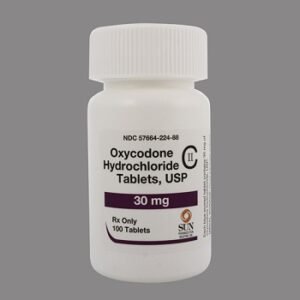
What is Morphine in Canada?
Buy Morphine Online Canada;Morphine is a potent opiate derived from opium, mainly sourced from the seed capsules of the opium poppy (Papaver somniferum) in Canada. In cities like Toronto and Montreal, morphine is recognized for its primary application as an effective pain management medication. Buy Morphine in Toronto and Montreal, Canada, without a prescription. It’s often misused to create illicit opioids, raising concerns about abuse.
This strong medication can be administered in various ways, depending on the patient’s specific needs. It can be delivered intravenously, injected subcutaneously or intramuscularly, inhaled, taken sublingually, rectally, or consumed orally. Once introduced into the body, morphine interacts with the central nervous system, significantly altering one’s perception of pain and their emotional response to it. Order Morphine in Vancouver and Calgary, Canada, without a prescription. While it’s known for strong pain relief, repeated use can lead to psychological and physical dependence, as well as increased tolerance.
Common medical applications for morphine include providing relief for trauma, managing pain from kidney stones, alleviating discomfort associated with heart attacks, and helping women cope with the pain experienced during labor.
Is Morphine Addictive?
Despite being prescribed for legitimate medical reasons, morphine carries a considerable risk of addiction. This powerful opioid circulates throughout the bloodstream and binds to specific receptors in the brain, leading to increased feelings of pleasure while simultaneously diminishing pain. You can find morphine for sale in Ontario and Quebec, Canada, without a prescription. Over time, some people may seek out the drug for its euphoric effects, even when they are not in pain, which shows how addictive it can be.
Morphine effectively relieves pain by mimicking the body’s natural endorphins, substances that block pain signals and elevate feelings of well-being. The rush experienced through its use can be alluring, ultimately leading some individuals down the path of addiction.
Signs of morphine addiction can manifest in a variety of ways. Short-term effects may include noticeable changes such as dilated pupils, slower breathing rates, nausea, increased lethargy, pronounced sleepiness, and episodes of chills or sweating. Long-term users may experience severe constipation, persistent depression, erratic sleep patterns, kidney issues, and involuntary body tremors. Behavioral changes can also be evident, including social withdrawal, deceitfulness, neglecting responsibilities, heightened aggression, or irritability.
Is Morphine Illegal in Canada?
In Canada, particularly in Ontario, morphine is classified as a controlled substance under the Misuse of Drugs Act, categorizing it as a Class A drug. Unauthorized possession of morphine can lead to serious legal repercussions, including hefty fines, imprisonment for up to seven years, or both. The ramifications for those caught producing or distributing morphine are even more severe, potentially facing fines or life imprisonment.
Despite its regulation as a controlled medication, it is legally available via prescription. Patients can receive it in multiple forms for both home use and during hospital stays. When obtaining a prescription, individuals must provide their signature and demonstrate proof of identity at the pharmacy.
How is Morphine Used in Canada?
Morphine serves a critical role in pain relief and is utilized in various forms across Canada. Patients prescribed this medication receive explicit instructions on how to use it effectively. For those requiring short-term pain relief, morphine may be administered through injections, liquid form, or tablets. In contrast, patients dealing with chronic pain may be prescribed slow-release tablets or granules designed to function over 12 to 24 hours. Though these extended-release forms take longer to begin working, they provide prolonged relief.
How Does Morphine Work?
Once morphine enters the bloodstream, it is circulated to various organs throughout the body, including those in British Columbia. Interestingly, the concentration of the drug in the muscles and brain is lower than in organs such as the liver, lungs, and kidneys. Its most significant effects are felt within the central nervous system, where it interacts with different receptor branches, namely m, k, and d receptors.
Let’s delve deeper into the various receptors and their roles in bodily functions:
– M1 Receptors: These receptors play crucial roles in analgesia, reducing gastrointestinal activity, inducing euphoria, modulating pain, and may cause respiratory depression and pupil constriction.
– M2 Receptors: Involved in mental clouding, these receptors can lead to drowsiness, respiratory depression, and nausea.
– K Receptors: These receptors contribute to diuresis (increased urine production), feelings of dysphoria, analgesia, mild respiratory depression, sedation, and pupil constriction.
– D Receptors: Associated with the modulation of pain, these receptors can also be linked to feelings of dysphoria, hallucinations, and delusions.
In understanding morphine’s complex interactions within the body, we can appreciate both its therapeutic benefits and the risks it carries.
How is Morphine Abused in Canada?
Morphine is primarily abused for the euphoric state and blissful sensations it produces, particularly in Canada. When prescribed for chronic pain on a long-term basis, many individuals may unknowingly develop a dependence and tolerance to the drug. This creates a risk that anyone using morphine over an extended period could fall into an opioid use disorder, characterized by compulsive drug-seeking behavior despite the negative consequences.
Definition of Morphine Abuse: Abuse occurs when an individual uses the drug without a valid prescription. While it is legal when prescribed by a healthcare provider, any other use is considered illegal and unsafe.
Common Methods of Morphine Abuse
Morphine can be abused in several ways:
– Using someone else’s medication: Taking morphine that has been prescribed to another person.
– Exceeding prescribed doses: Taking more than what is prescribed, ultimately leading to increased tolerance.
– Recreational use: Consuming morphine solely for pleasurable effects rather than for legitimate medical purposes.
Engaging in such behaviors escalates the risk of addiction and overdose, often leading users to increasingly desperate measures to obtain the drug.
Short-Term Effects of Morphine Abuse
The short-term effects of morphine abuse can be detrimental and vary among individuals. Some common effects include:
– Drowsiness: A profound state of lethargy, where individuals may struggle to remain awake.
– Nausea and Vomiting: Feelings of sickness can arise, often accompanied by vomiting.
– Constipation: A significant slowdown in bowel movements, leading to discomfort.
– Dizziness or Vertigo: A sensation of spinning or imbalance that can lead to falls or accidents.
– Depressed Mood: Some users may experience feelings of extreme sadness.
–Impaired Judgment & Focus: An inability to think clearly or make sound decisions.
– Preoccupation with the Drug: Constantly thinking about sourcing or using morphine.
Long-Term Effects of Morphine Abuse
Persistent use of morphine can result in severe mental and physical deterioration. As users may explore other substances, including heroin, the implications can be dire. Long-term effects may include:
– Lung and Respiratory Failure: Compromised ability to breathe, putting users at significant health risk.
– Circulatory Damage: Impairment of the cardiovascular system, possibly leading to serious complications.
– Confusion and Hallucinations: Altered mental states that can lead to disorientation and false perceptions.
– Coma and Asphyxiation: In extreme cases of overdose, users risk slipping into a coma or suffocating.
How Does Morphine Affect the Body?
Morphine is primarily known for its potent pain-relieving properties; however, its effects on the body extend beyond pain management. It inhibits the cough reflex and can significantly suppress appetite.
Common Side Effects: More than 1% of users may experience:
– Constipation: A frequent and painful side effect.
– Nausea and Vomiting: Upset stomachs leading to the urge to vomit.
– Sleepiness or Lethargy: An overwhelming sense of tiredness.
– Dizziness or Vertigo: Sensation of spinning or imbalance that can hinder movement.
– Headaches and Confusion: Disruptions in mental clarity and concentration.
– Skin Reactions: Such as itching or rashes, often uncomfortable.
Morphine also alters mood, heart rate, and body temperature, while its metabolites linger in the system long after the initial effects have faded. It can remain in saliva and blood for three days, in urine for four days, in breast milk for 24 hours, and in hair for up to three months.
Risks of Morphine in Canada
As with any potent drug, the risks associated with morphine use are significant. Individuals with breathing difficulties, such as asthma, or those with bowel obstructions are typically advised against its use. Moreover, those with a history of:
– Brain Tumors and Seizures
– Chronic Mental Illness or Alcohol/Drug Addiction
– Kidney or Liver Diseases
must disclose their conditions to their healthcare providers, as morphine may exacerbate existing issues.
Allergic Reactions and side effects can be severe:
– Respiratory Issues: Such as difficulty breathing, which may result in life-threatening conditions.
– Cardiac Complications: Including slow heart rate, palpitations, and fainting spells.
Additionally, morphine can lead to serotonin syndrome, presenting with severe symptoms like hallucinations, agitation, rapid heart rate, fever, and muscle twitches. Prolonged use may result in diminished cortisol levels, leading to fatigue, weakness, and digestive issues, especially concerning older adults and those with chronic lung conditions.
Signs and Symptoms of Morphine Overdose
Recognizing the signs of a morphine overdose is crucial for timely intervention:
– Cold and Clammy Skin: A telltale sign of distress.
– Severe Drowsiness: An inability to stay awake or respond to stimuli.
– Slow or Irregular Breathing: Breathing may become inadequate or suspended.
– Slurred Speech and High Blood Pressure: Indications of a compromised state.
– Unresponsiveness: Reduced ability to respond or engage with others.
The depressant effect of morphine on the central nervous system can ultimately lead to unconsciousness, coma, or death if not addressed urgently.
Short-Term and Long-Term Effects of Morphine
While morphine induces strong feelings of relaxation and euphoria, it also comes with various adverse effects. Potential side effects include:
– Loss of Appetite: Decreased desire to eat can lead to nutritional deficiencies.
– Nausea and Vomiting: Commonly experienced and distressing.
– Itchy Skin: Often a reaction to the drug.
– Urinary Retention: Inability to urinate comfortably.
– Slowed Breathing: A dangerous reduction in oxygen intake.
Long-Term Effects: The most critical consequence of ongoing morphine use is addiction. As physical dependence ensues, individuals often become detached from loved ones and responsibilities, ultimately prioritizing drug use over health, finances, and relationships. The pervasive nature of addiction not only endangers their health but also distorts their values and priorities, leading to a downward spiral that can be challenging to escape.