Understanding Oxycodone in Canada: A Comprehensive Overview
Buy xycodone Online Canada;Oxycodone is a term that frequently comes up in conversations and the media, yet many people in Ontario, Canada, may not fully grasp what it entails. Buy oxycodone online in Toronto, Montreal, and Vancouver, Canada. Your interest in this medication matters, whether you’ve seen a friend get a prescription after wisdom teeth removal or know someone dealing with addiction. Gaining insight into what oxycodone is, the range of effects it has, and the implications of its use or misuse is vital for making informed decisions for yourself and offering support to others in need. Order Oxycodone in Calgary and Ottawa, Canada without a prescription. Opioids mimic neurotransmitters, tricking the brain’s receptors.
What Type of Drug Is Oxycodone?
The most commonly recognized fact about oxycodone is that it belongs to the opioid class of drugs, which are closely related to substances that naturally occur in our brains. Opioids mimic neurotransmitters’ chemical structures, effectively deceiving the brain’s receptors into accepting their presence. Oxycodone available for sale in British Columbia and Alberta, Canada, without a prescription. It’s derived from thebaine, a natural compound in opium. This interaction generates what is known as the “opioid effect,” primarily known for its pain-relieving properties, alongside various other physiological reactions.
Oxycodone is classified as a semi-synthetic opioid, indicating that it is partially man-made. Although thebaine is a lesser component of opium and shares structural similarities with morphine and codeine, it produces effects that can be described as stimulatory. The chemical modification process that transforms thebaine into oxycodone alters its structural characteristics, resulting in a drug that yields more depressant effects.
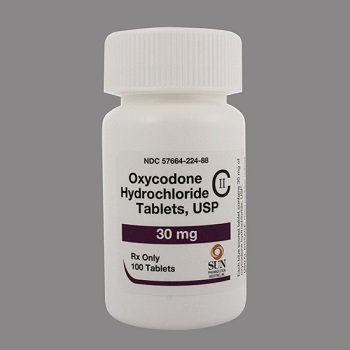
Oxycodone is available in various branded formulations, including OxyContin®, Xtampza ER®, Roxicodone®, and Oxaydo®. It also serves as an active ingredient in numerous combination medications prescribed for pain relief. Oftentimes, drug manufacturers pair oxycodone with acetaminophen, giving rise to popular brand-name medicines such as Endocet®, Oxycet®, Percocet®, Roxicet®, and Xartemis XR®. Additionally, when oxycodone is combined with aspirin, it forms Percodan®, and when mixed with ibuprofen, it creates Combunox®.
Oxycodone’s Uses and Prescriptions across Canada
Oxycodone has been utilized in clinical settings since 1917, making its establishment as a medication longer than many may realize. Throughout its history, it has consistently been categorized as a painkiller, effective for alleviating both moderate and severe discomfort based on the specific formulation prescribed. OxyContin, for instance, is available in extended-release tablets designed to provide pain relief for up to 12 hours.
Typically, oxycodone is prescribed to patients experiencing debilitating, persistent pain that does not respond to alternative treatments. In instances where other medications can effectively manage pain when taken according to medical advice, physicians are unlikely to prescribe oxycodone or its combination medications. Conditions commonly leading to prescriptions of oxycodone include:
– Cancer
– Arthritis
– Fibromyalgia
– Irritable bowel syndrome
– Specific chronic injuries, often resulting from the demands of physically intensive jobs, are also valid reasons for an oxycodone prescription. For instance, professional football players have made headlines concerning their struggles with prescription opioids and the cycle of addiction that can ensue.
The Media Narrative: Oxycodone in the Public Eye
The narrative surrounding oxycodone took a dramatic turn following Purdue Pharma’s aggressive marketing of OxyContin beginning in 1996 in British Columbia and Alberta, Canada. Initially, the drug was celebrated by users as a groundbreaking solution for rapid and effective pain relief. Purdue heavily promoted it to medical professionals, distributing over 15,000 copies of a promotional video titled “I Got My Life Back.” This video showcased six patients who used OxyContin for non-cancer-related pain and lauded the drug for its ongoing effectiveness, while also downplaying any potential side effects—a claim that later would be proven false.
By 1999, a staggering 86% of individuals prescribed opioids were using them for pain unrelated to cancer. An alarming lack of regulation and oversight began to foster widespread abuse of these medications, and public perception started to shift in response to alarming data revealing the addictive nature of opioids, as well as their potential to be lethal.
From the early 2000s onwards, media coverage has centered around the ongoing opioid crisis, stemming from aggressive marketing techniques and relaxed prescribing practices. Stories often emphasize harrowing statistics and poignant personal narratives, while maintaining a critical angle on the opioid issue. Though the crisis is undeniably serious and warrants continued discussion, the media portrayal can unintentionally stigmatize those facing addiction challenges, possibly deterring them from seeking the help they desperately need.
A High-Profile Problem: Purdue Pharma’s Controversy
In 2019, oxycodone found its way back into discussions, particularly due to sensational revelations regarding its manufacturer, Purdue Pharma. An email unearthed during a lawsuit against the company revealed that Dr. Richard Sackler, then-chairman and president of Purdue, was fully cognizant of the risks associated with OxyContin abuse and had a strategy prepared to deflect responsibility. The message encouraged a focus on those struggling with addiction as the primary culprits, stating, “We have to hammer on the abusers in every way possible. They are the culprits and the problem. They are reckless criminals.”
This admission further complicated an already precarious narrative woven around one of the most potent painkillers on the market, highlighting the ongoing necessity for education, compassion, and support in combating addiction and understanding prescription medications like oxycodone.
Effects of Oxycodone: A Closer Look
When oxycodone is consumed, the powerful opioid compounds attach themselves to G protein-coupled receptors in the brain, initiating a cascade of biochemical responses. This binding stimulates the release of endorphins, the brain’s natural feel-good chemicals, which are instrumental in managing pain and regulating mood. This phenomenon, particularly prevalent in regions like Canada, not only diminishes the perception of pain but also triggers a wave of euphoria, enhancing one’s overall sense of well-being.
For individuals using opioids as prescribed, these medications can effectively alleviate pain while simultaneously inducing a temporary high. However, the body typically produces its endorphins naturally in response to everyday pleasures—like savoring a delicious meal or achieving a personal best in a workout. These mechanisms reinforce positive behaviors, motivating individuals to engage in activities that promote happiness and health.
Over time and with prolonged usage of opioids, the body begins to adjust, resulting in a decreased production of natural endorphins. Consequently, users find that they require higher doses of oxycodone to reach the same euphoric state or pain-relieving effects. This process is known as tolerance, and it marks the initial phase of potential abuse and dependency.
Common Side Effects of Oxycodone
Alongside its pain-relieving and euphoric properties, oxycodone comes with a host of uncomfortable and distressing side effects that can manifest both in the short and long term, particularly in places like Manitoba and Ontario. While the side effects of oxycodone and its combination with acetaminophen in Percocet are largely similar, the specific interactions may vary based on individual compositions. The most frequently reported side effects include:
– Nausea: A persistent feeling of sickness that may lead to vomiting.
– Constipation: A common issue that can cause significant discomfort.
– Drowsiness: An overwhelming sense of fatigue that can impair daily activities.
– Dizziness: A light-headed sensation that can affect balance.
– Itching: Unexplained skin irritations that can be bothersome.
– Headaches: Frequent or intense head pain that can distract from daily tasks.
– Blurry vision: Impaired eyesight that can complicate reading or driving.
– Sweating: Unusual perspiration that may occur even in cool conditions.
– Dry mouth: A parched sensation that can be uncomfortable and unwelcoming.
For many users, the pain relief provided by oxycodone overshadows these side effects. However, even mild manifestations can disrupt normal routines, making simple tasks like doing the dishes or meeting work deadlines surprisingly challenging. Those abusing oxycodone for recreational reasons might overlook these side effects entirely, putting them at risk of missing more serious symptoms indicative of an overdose, which can include:
– Respiratory depression or arrest: A dangerous slowing or stopping of breathing.
– Periodic breathing stoppage: Intervals during which breathing temporarily ceases.
– Circulatory depression: A reduction in blood flow that can lead to serious complications.
– Low blood pressure: An alarming drop in blood pressure potentially leading to fainting.
– Cold sweat: Sudden and excessive perspiration that can indicate distress.
– Extreme sleepiness: An overwhelming urge to sleep that can be alarming.
Long-Term Side Effects of Oxycodone
When taken over an extended period, oxycodone and its related medications can lead to severe long-term repercussions on both physical and mental health. Among the most significant long-term side effects are:
– Insomnia: Persistent difficulty in falling or staying asleep, affecting overall well-being.
– Depression: A deep-seated sense of hopelessness and despair that can be debilitating.
– Cramping and aching muscles: Unexplained and often persistent muscle pain that can hinder mobility.
– Increased spinal fluid pressure: A condition that can lead to headaches and neurological issues.
– Limb swelling: Puffiness in the arms or legs, which can indicate fluid retention or other medical concerns.
– Heart failure: A critical condition that can arise from prolonged opioid use, jeopardizing life.
Given the profound influence opioids exert over bodily functions, it is inevitable that long-term use of oxycodone and its combinations will likely yield at least some of these adverse effects, even if they take time to surface. Understanding this gradual onset is crucial for individuals, as they may misconstrue symptoms as unrelated issues rather than recognizing the potential link to their drug use.
Signs of an Oxycodone Addiction in Canada
Identifying the signs of oxycodone abuse can be particularly challenging, especially for those afflicted and those who care about them. Many individuals begin their journey with a legitimate prescription intended to alleviate real pain, which complicates the recognition of when their use transitions into abuse.
For someone armed with a prescription, it may not seem alarming to take an extra half or full pill if they are experiencing intense pain. Infrequent instances might not raise immediate concerns. However, if you suspect that you or a loved one is misusing this medication, it’s essential to recognize the following warning signs:
– Loss of Interest: Individuals struggling with drug abuse often begin to withdraw from activities that once brought them joy. They may abandon hobbies and neglect responsibilities, preferring instead to spend time using the drug.
– Increased Tolerance: A user requiring higher doses than initially prescribed to achieve the same effects is at an elevated risk for developing dependency. This increasing need can spiral out of control.
– Drug Cravings: Persistent thoughts about obtaining or using oxycodone can indicate misuse. When these thoughts intrude on daily life, they signal a potential addiction.
– Drug-Seeking Behavior: If someone starts devising ways to obtain more oxycodone than prescribed or is exploring alternative substances to replicate the opioid’s euphoric effects, chances are they are grappling with a serious addiction.
– Social Withdrawal: Those ensnared in oxycodone abuse frequently isolate themselves from friends and family to conceal their struggles. This withdrawal can manifest as pushing loved ones away or gradually fading from relationships.
Recognizing these signs is crucial in addressing potential addiction and seeking appropriate help.