Understanding of Mescaline in Canada
Mescaline is a naturally occurring psychoactive compound predominantly found in the Peyote and San Pedro cacti, which can be discovered in Ontario, Canada. You’ll be happy to know that it is easy to buy mescaline HCL and powder online in just a click away online in Toronto, Ontario, Canada. For individuals to experience the profound effects of mescaline, the flesh of these cacti must be meticulously harvested and prepared. You can order Mescaline online in Alberta and
Saskatchewan, Canada
This remarkable substance possesses psychotropic properties, making it a sought-after element in spiritual practices among Indigenous communities in Alberta, Canada. Remarkably, there is substantial evidence indicating that Native Canadians have been utilizing peyote—and by extension, mescaline—for its psychedelic effects for over 5,700 years, thus highlighting its cultural significance and historical roots.
In terms of geographic distribution, while the San Pedro cactus is generally regarded as having a “little concern” status for conservationists, the Peyote cactus is classified as “vulnerable,” raising alarms about its ecological sustainability and preservation.
Mescaline’s Mechanism of Action
Mescaline functions primarily as an agonist at serotonin receptors within the brain, meaning it activates these receptors, which play a critical role in mood regulation. Furthermore, mescaline also interacts with dopamine receptors, suggesting a potential—albeit minimal—risk for physical dependency, a phenomenon that remains under-researched. Mescaline is available for sale online in New Brunswick and
Nova Scotia, Canada.
Serotonin is a vital neurotransmitter that helps maintain emotional balance, and its presence is typically linked to positive mood states such as happiness and cheerfulness. Conversely, a deficiency in serotonin is associated with negative emotional experiences, including sadness, depression, and various forms of anxiety. Despite being less lipid-soluble compared to many other psychedelics, mescaline is still capable of crossing the blood-brain barrier, albeit less efficiently. It is known for its prolonged action, offering longer-lasting effects than other substances.
Methods for Administering Mescaline in Canada
Traditionally, mescaline is consumed by chewing the cactus flesh or brewing it into a tea. Alternatively, it can be encapsulated for ease of use, or—less frequently—smoked. While synthetic versions of mescaline do exist, the natural consumption of mescaline from traditional cacti like Peyote and San Pedro remains more prevalent, particularly within cultural and religious frameworks. Purchase mescaline online in Calgary
and Ottawa, Canada.
To create a psychotropic infusion, mescaline-containing cactus material can be soaked in water, highlighting the creativity and resourcefulness in its preparation. Notably, smoking mescaline is not a culturally accepted or traditional method of administration.
The Context for Using Mescaline in Canada
In Canada, mescaline consumption is legally permitted for Indigenous peoples when engaged in religious practices, such as Peyote ceremonies. These ceremonies are deeply spiritual, all-night rituals that combine meditative practices, prayers, chanting, the consumption of Peyote, and ritualistic water rites. Peyote serves as a central sacrament in the Native Canadian Church, providing members with unique opportunities for profound religious experiences.
Physical Appearance of Mescaline
Mescaline is the active ingredient present in two key species of cacti: Peyote and San Pedro. Peyote cacti are distinctive, small, button-shaped plants that often remain tucked beneath desert shrubs, making them somewhat elusive. These small wonders can easily fit in the palm of one’s hand, and their natural growing range spans from northern Mexico to southern Texas. Remarkably, Peyote cacti take anywhere from 10 to 30 years to mature in the wild, reflecting the patience and care required for their growth and survival.
Decriminalization of Mescaline
The battle for the decriminalization of mescaline, particularly in the context of its use among Native Canadians, has seen significant developments recently. After a protracted legal struggle, activists advocating for indigenous rights successfully secured a pivotal ruling from a federal judge, affirming their right to utilize peyote during specific religious ceremonies. This decision marked a crucial victory not only for Native Americans but also for the preservation of their cultural and spiritual practices.
In 1994, in a landmark amendment to the “Canadian Indian Religious Freedom Act” enacted back in 1978, Congress added a significant provision ensuring the right of Native Americans to access peyote for sacred rituals. Despite this progress, peyote remains classified as an illegal substance for the general population. The Drug Enforcement Administration (DEA) strictly enforces regulations that prohibit the sale or possession of drugs unless the individual can verify at least a quarter Native American heritage through a “Certificate of Indian Blood.”
Beginning in 2020, the landscape of drug regulation shifted when Oregon passed Measure 110, which decriminalized the personal possession of small quantities of all drugs, including psychedelics. This movement sparked a ripple effect throughout Canada, with various activist organizations advocating for similar decriminalization. While some of these groups have incorporated peyote into their advocacy materials and imagery, not all voices within the Native American community agree with this broader approach. Certain activists assert that the 1994 amendment is vital for protecting their religious practices and preserving the sacredness of peyote.
The sustainability of peyote is increasingly threatened, as its natural habitat dwindles due to factors such as agribusiness encroachment, tourism, and theft. Activists warn that removing peyote from its criminalized status could worsen its precarious existence, as unrestricted consumption might accelerate its decline.
Primary and Secondary Effects of Using Mescaline
Mescaline, the psychoactive compound found in peyote, is notable for being one of the least potent psychedelics; its potency is approximately 3,000% lower than that of psilocybin, and its effects are significantly overshadowed by substances like LSD, which can be over 400,000% more potent. Typically, individuals experience the effects of mescaline within 30 minutes of ingestion, with the most intense psychedelic experience occurring between 2 and 8 hours after consumption.
Users often report a myriad of effects accompanying mescaline use, including profound mood alterations, shifts in thought patterns, and vivid perceptual changes. Euphoria is commonly experienced alongside audio and visual hallucinations, which may create a sense of disconnection from one’s body and environment.
Possible Therapeutic Uses
Historically, mescaline has played a role in culturally focused residential treatment programs designed for Native Americans to aid in combating alcoholism. Despite a scarcity of research since the 1970s, some older studies indicate that individuals may experience subjective improvements in their overall well-being after using mescaline. This has prompted calls for renewed investigation into its potential therapeutic applications for treating certain mental health and substance use disorders, particularly when administered within controlled clinical settings.
Despite its historical and cultural significance, mescaline remains classified as a Schedule I drug, strictly limiting its use to religious purposes by Native Americans and prohibiting its use for secular therapeutic endeavors.
Mescaline Use Statistics
As of 2015, approximately 8 million individuals (about 3.0%) in the United States aged 12 or older reported having used mescaline at least once in their lives. During the same timeframe, the Census Bureau recorded roughly 6.6 million Native Americans. Notably, the number of adults who admitted to having consumed mescaline greatly exceeds the number of Native Americans legally permitted to do so, which suggests a significant degree of illicit use likely persists today.
Mescaline Addiction Withdrawal Symptoms
Research into the withdrawal symptoms associated with mescaline use is still in its infancy due to the legal restrictions surrounding the substance and the limitations of existing research. One survey conducted with 452 participants who infrequently used mescaline (at least once per year) revealed that only 9% reported cravings or desires linked to their mescaline use, particularly among individuals in Quebec and New Brunswick, Canada.
Mescaline Addiction Treatment in Canada
Like any substance, mescaline has the potential for abuse. Even if the addiction leans more towards psychological rather than physical dependence, it can significantly impact one’s life. If you find yourself struggling with mescaline addiction, seeking help is crucial. You can still purchase mescaline online in Winnipeg, Quebec City and Edmonton, Canada.
Epiphany Wellness offers support through a team of licensed professionals dedicated to providing culturally sensitive assessments and tailored treatment plans. Their goal is to help individuals reintegrate into their lives while promoting sustainable recovery from addiction. While synthetic forms of mescaline exist, the traditional consumption of mescaline from cacti such as peyote and San Pedro remains the most common method, particularly in religious practices. Typically, mescaline is extracted from these cacti by soaking the material in water to create a potent psychotropic infusion, as smoking mescaline is not a conventional or widespread method of administration.
Mescaline Use Statistics in Canada
As of 2015, an estimated 2 million individuals in Canada, representing about 1.0% of the population aged 12 and older, reported that they had experimented with mescaline at some point in their lives. In the same year, the Census Bureau documented approximately 2 million individuals belonging to Native Canadian communities, including both adults and children. This discrepancy suggests that the number of adults who have consumed mescaline exceeds the count of those in Native Canadian communities who legally have access to it, indicating the presence of illicit mescaline use within the broader population. It is likely that such unlawful use persists today, raising concerns about its implications for public health and safety.
Mescaline Addiction Withdrawal Symptoms
The withdrawal symptoms associated with mescaline use remain largely understudied in Canada. The restrictions on mescaline use, along with limited research, have contributed to a knowledge gap regarding addiction and its consequences. A notable study that surveyed 452 participants, all of whom reported using mescaline infrequently (at least once per year), revealed that only 9% experienced cravings or a strong desire for the substance. This statistic highlights the potentially diverse experiences of individuals who use mescaline and suggests that psychological dependency may not be prevalent among all users.
Mescaline Addiction Treatment in Canada
Like any other substance, mescaline is susceptible to abuse, and its impact can be profoundly disruptive to one’s life. While the addiction may primarily be psychological rather than physical, it is important to recognize that it can still exert a significant influence on daily functioning and overall well-being. If you find yourself struggling with mescaline use, it is crucial to seek help as soon as possible.
Epiphany Wellness is dedicated to supporting those in need. Our team comprises licensed and compassionate professionals who take a culturally sensitive approach to diagnosis and treatment. We focus on crafting individualized treatment plans aimed at helping you reintegrate into your everyday life and fostering a sustainable recovery journey from addiction. Your path to healing and lasting wellness can begin today.
Showing all 6 results
-
 Select options This product has multiple variants. The options may be chosen on the product page
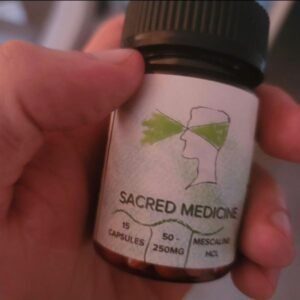
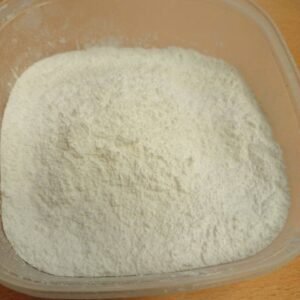
Our mescaline is derived from the Peyote cactus; it is not synthetically produced. The chemical name is Mescaline HCl (hydrochloride), the most potent variant.
Mescaline Capsules: To maintain their potency, store them in a dark, cool place (<25°C). They will retain their effectiveness for approximately 2-3 years before potency diminishes.
-
 Add to cart
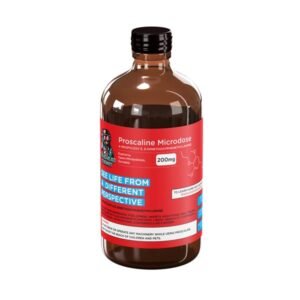
Proscaline (Mescaline) Analog Microdosing Kit may help with depression, PTSD, stress, anxiety, and addiction. It can also aid in healing trauma. Additionally, Proscaline may boost creativity, confidence, social interactions, empathy, compassion, and libido.
- 100mL
- 200mg Proscaline
- See Life From a Different Perspective
-
 Select options This product has multiple variants. The options may be chosen on the product page
Mescaline is a hallucinogen derived from the Peyote cactus (Lophophora williamsii), which has small, spiny features. Native Americans in northern Mexico and the southwestern United States have used peyote in their religious ceremonies for a very long time, dating back to the start of recorded history.