What is Codeine?
Buy Codeine Online Canada;Codeine, or 3-methylmorphine, is an opioid analgesic used primarily to relieve short-term pain and manage coughs and diarrhea in Canada. Buy codeine online in British Columbia and Alberta, Canada. It has a long history of use in medicine for pain relief, derived from the opium poppy.
Discovered in 1832 by French chemist Pierre Jean Robiquet, codeine is extracted from the unripe seed pods of the poppy, which contain key alkaloids like morphine and papaverine. Order codeine online in Montreal and Vancouver, Canada, without a prescription. It’s metabolized in the liver by CYP2D6, with about 70% converted to codeine-6-glucuronide, 15% to norcodeine, and a small amount to morphine.
Codeine alleviates pain by binding to opioid receptors on nerve cells, inhibiting neurotransmitter release that transmits pain signals. It also suppresses the cough reflex, making it a common prescription for chronic dry coughs in Ontario. As a narcotic analgesic, codeine has numbing and paralyzing effects, useful in various medical situations.
Can Codeine be Addictive in Canada?
Though codeine is considered a milder derivative of morphine, it carries significant potential for addiction in locations such as Ottawa, Canada. It retains many characteristics similar to morphine, albeit with reduced sedative and analgesic strength. Codeine is available for sale online in Winnipeg and Quebec City, Canada, without a prescription. Users may experience euphoria, which can be enticing for those with mental health issues or depression.
While codeine is typically prescribed for short-term relief, there have been numerous cases where general practitioners authorize long-term use. This can foster the development of tolerance, whereby patients require increasingly higher doses to achieve the same effect, potentially leading them to seek out more potent opioids, including morphine or even illicit substances like heroin.
Despite the fact that codeine is not recommended for chronic pain management, there is a growing trend of reliance on this drug as over 34% of the population in England and about 26% of Canadians experience some form of chronic pain (Ipsos). As a result, codeine becomes a go-to choice for patients looking for pain relief.
In July 2005, regulations mandated that the sale of codeine-containing pain medications over the counter should be restricted, limiting the quantity of pills per package to a maximum of 32. Additionally, co-codamol formulations with a codeine strength exceeding 8mg/500mg now require a doctor’s prescription. These limitations extend to other common pain medications, like ibuprofen and paracetamol, to mitigate the risks associated with misuse.
What is Codeine Used For?
Codeine serves primarily as a pain-relief medication, particularly when conventional over-the-counter analgesics such as ibuprofen, paracetamol, and aspirin prove ineffective. In British Columbia, Canada, codeine may be administered under several circumstances, including:
– Post-operative recovery
– After sustaining injuries
– To alleviate persistent dry coughs
– To manage symptoms of diarrhea
– For chronic pain management, notably in cancer patients
Codeine can be delivered in various forms depending on the medical requirement, including tablets, liquid formulations, syrups, or injections. Oral forms are typically administered every 4 hours, while injections are reserved for hospital settings and are used primarily for rapid pain relief in severe cases.
The maximum recommended daily dosage of codeine is 240mg. Upon ingestion, the onset of action generally occurs within 30 minutes, peaks at approximately 2 hours, and analgesic effects last 4-6 hours.
How is codeine abused in Canada?
Codeine is commonly abused in Canada, often without individuals realizing their addiction. In Calgary, the use of codeine-containing cough syrups has led to their removal from pharmacies, though lower-dose co-codamol is still available. The MHRA is contemplating making codeine prescription-only, which could increase the workload for general practitioners as patients seek prescriptions instead of buying from pharmacies.
Codeine prescriptions are easier to obtain compared to stronger opioids like morphine, despite guidelines advising against its use for chronic pain. Addiction often begins after surgery or injury, as users seek the relaxation and euphoria it provides. Over time, tolerance develops, requiring larger doses for relief, ultimately leading to dependence.
Codeine is intended for short-term use, ideally not exceeding three days without a doctor’s guidance. Its recreational use, often mixed with drinks like Sprite to make ‘purple drank’ or ‘lean’, poses serious health risks, including respiratory failure and death, especially when combined with alcohol. Additionally, the illegal opioid trade, particularly from Afghanistan, has been facilitated by the dark web, making codeine accessible for those seeking to abuse it, including by using others’ prescriptions.
How does codeine affect the body?
When taken in appropriate doses and as prescribed, codeine can produce a range of effects on the body, including:
– Constipation: A common side effect that arises due to the drug’s impact on the digestive system, leading to difficulties in bowel movements.
– Nausea: Many users may experience feelings of sickness or discomfort in the stomach, often resulting in an urge to vomit.
–Dryness in the mouth: A sensation of increased thirst or parchedness, caused by the medication’s influence on saliva production.
–Confusion: Users might experience temporary disorientation or difficulty concentrating.
–Sleepiness: Codeine has a sedative effect that can lead to increased drowsiness or fatigue.
In addition to these more common effects, there are several rare but serious side effects to be aware of:
– Difficulty breathing and slow, shallow breaths: These can be alarming symptoms indicating a potential respiratory issue.
– Muscle stiffness: Some individuals may find that their muscles become unusually rigid or tense.
– Low blood pressure: This condition can lead to feelings of faintness or lightheadedness, especially when standing up.
– Quickened heartbeat: An increase in heart rate can occur, which may be uncomfortable for some users.
For individuals who use codeine over an extended period, withdrawal symptoms may become evident when they stop taking the drug. These can include:
– Sleeplessness: The inability to fall asleep or stay asleep, contributing to fatigue and irritability.
– Irritability and anxiety: Heightened feelings of unease or impatience can manifest as a direct result of dependence on the drug.
– Headaches: Similar to initial usage, withdrawal can cause new or recurring headaches.
– Heart palpitations: Users might experience an irregular or rapid heartbeat during withdrawal.
– Sweating and clammy skin: These physical symptoms can be distressing and uncomfortable.
– Slurred speech: Affected individuals may find they have difficulty articulating words clearly.
What are the risks of codeine in Canada?
In Canada, using codeine for an extended period, especially beyond a doctor’s advice, can lead to a number of serious risks. These include, but are not limited to:
– Pancreatitis: Although uncommon, there is a notable association between codeine use and spasms in the pancreas, which can result in inflammation.
– Liver damage: Since the liver metabolizes codeine, converting it into morphine, it’s susceptible to damage from prolonged use.
– Kidney damage: Codeine-containing medications combined with substances like acetaminophen or aspirin can be particularly harmful to kidney function.
– Increased sensitivity to pain: While codeine initially blocks pain signals, the body may respond by increasing the production of pain receptors, making users more sensitive to pain over time.
– Depression: Although codeine may provide temporary relief from anxiety or depressive symptoms, long-term abuse can exacerbate these mental health issues, leading to a deeper dependency.
– Respiratory depression: This life-threatening condition, often recognized as opioid-induced respiratory depression (OIRD), can occur from taking high doses of codeine or in conjunction with anesthetic complications post-surgery.
– Reduced muscle tone: Codeine’s muscle-relaxing effects may hinder physical activity, contributing to decreased muscle strength and overall tone over time.
– Gut and digestion issues: A staggering 90% of individuals prescribed opioids for chronic conditions, such as cancer pain, experience constipation due to slowed intestinal movement and increased tension in the digestive muscles.
It is important to note that many individuals struggling with codeine dependency may also grapple with underlying health conditions—whether physical, mental, or both. These can include:
– Bipolar disorder
– Alcohol addiction
– Depression
– Schizophrenia
– Chronic pain
– Anxiety
Understanding these potential effects and risks is essential for responsible use of codeine and maintaining overall health.
How does codeine affect the body?
When taken in appropriate doses and as prescribed, codeine can produce a range of effects on the body, including:
– Constipation: A common side effect that arises due to the drug’s impact on the digestive system, leading to difficulties in bowel movements.
– Nausea: Many users may experience feelings of sickness or discomfort in the stomach, often resulting in an urge to vomit.
– Dryness in the mouth: A sensation of increased thirst or parchedness, caused by the medication’s influence on saliva production.
– Headaches: Some individuals report persistent headaches, which can vary in intensity and duration while using codeine.
– Dizziness and vertigo: A sense of lightheadedness or a spinning sensation is also common, making balance and coordination more challenging.
– Confusion: Users might experience temporary disorientation or difficulty concentrating.
– Sleepiness: Codeine has a sedative effect that can lead to increased drowsiness or fatigue.
In addition to these more common effects, there are several rare but serious side effects to be aware of:
– Difficulty breathing and slow, shallow breaths: These can be alarming symptoms indicating a potential respiratory issue.
– Muscle stiffness: Some individuals may find that their muscles become unusually rigid or tense.
– Low blood pressure: This condition can lead to feelings of faintness or lightheadedness, especially when standing up.
– Quickened heartbeat: An increase in heart rate can occur, which may be uncomfortable for some users.
What are the various forms of codeine?
Codeine is available in several combinations that healthcare professionals commonly prescribe to manage pain and other conditions. Among the most frequently used combinations are:
– Co-codamol: A blend of codeine and paracetamol, often utilized for moderate pain relief, making it a popular choice in primary care settings.
–Co-dydramol: This formulation includes codeine and dihydrocodeine, providing a stronger analgesic effect for more severe pain conditions.
–Tramacet: A combination of codeine and tramadol, designed to enhance pain relief through different mechanisms of action.
In addition to these combinations, numerous other opioid medications may be prescribed for patients who require stronger pain management. These alternatives include:
–Morphine: Widely used for severe pain, especially in surgical settings or for cancer-related pain.
–Diamorphine: A form of morphine that is often utilized in palliative care for its rapid action and effectiveness.
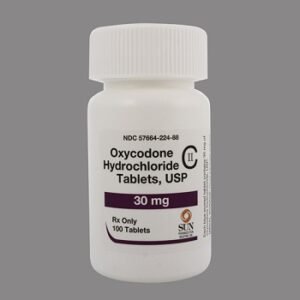
–Oxycodone: A potent opioid used for moderate to severe pain, known for its effectiveness and risk of dependency.
–Hydromorphone: An opioid that is more potent than morphine, often used in cases of severe pain.
–Buprenorphine: Recognized for its dual role as both a pain reliever and a treatment for opioid dependence.
–Fentanyl: A highly potent synthetic opioid commonly used in acute pain management, often available in patches or lozenges for controlled release.
–Tapentadol: A relatively newer medication that combines both opioid and non-opioid mechanisms to manage pain.
How can someone with a codeine addiction be supported?
Research has shown that individuals struggling with codeine addiction often turn to online resources for assistance rather than reaching out to their general practitioners or medical professionals. A study conducted in 2017 revealed that this preference stems from various factors, such as subpar treatment options for addiction, the reassurance of connecting with a community of individuals who share similar experiences, and the fear of being judged.
One effective approach for treating significant opioid addiction is known as Opioid Replacement Therapy (ORT) or substitution therapy. This method involves replacing the problematic substance—codeine, in this case—with a prescribed medication that alleviates withdrawal symptoms and cravings.
ORT not only minimizes high-risk behaviors, like intravenous drug use, but also significantly decreases the potential for overdose—a critical concern for those battling addiction. For individuals committed to this form of treatment, it can take anywhere from 4 to 12 weeks to diminish dependency fully. Common medications used in opioid substitution therapy include methadone hydrochloride and buprenorphine, both of which have proven effective in helping individuals regain control over their lives and health.