0
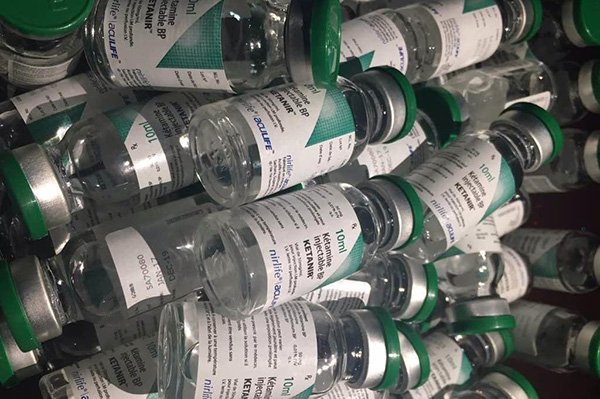
Ketamine hcl
Price range: $300.00 through $1,100.00
Description
What is Ketamine hcl in Canada?
Ketamine HCl, commonly known by its brand name Ketalar, is a dissociative anesthetic predominantly used in Ontario, Canada. Medical professionals administer this drug to induce a state of general anesthesia during procedures that do not necessitate muscle relaxation. “General anesthesia” denotes a deep, sleep-like state, while the term “dissociative” refers to a sensation of disconnection from one’s surroundings and body—often leading to a unique experience during treatment. Buy Ketamine HCL in Montreal and Vancouver, Canada. It is used by some for its hallucinogenic effects and can cause sedation, incapacitation, and short-term memory loss. Ketamine HCL for sale in Ottawa and Edmonton, Canada. General anesthesia induces a sleep-like state, while dissociative refers to the feeling of disconnection.
Therapeutic Uses of Ketamine HCL in Canada
While the FDA has officially approved Ketamine HCl solely for use as a general anesthetic, its applications extend beyond this primary indication into the realm of off-label uses. Order Ketamine HCL in Winnipeg and Quebec City, Canada. Learn about its uses, side effects, risks, and interactions with alcohol and other drugs. Here are some of the notable therapeutic applications of ketamine in Canada:
Inducing General Anesthesia
Ketamine HCl is frequently used to initiate general anesthesia, either alone or in combination with other anesthetic agents, such as nitrous oxide. It is especially useful in emergency department settings, where it can quickly provide sedation for procedures such as:
– Reducing fractures
– Addressing joint dislocations
– Repairing wounds in patients who may be uncooperative, including children
Treating Pain
When administered in lower doses that do not elicit dissociation, ketamine is effective in alleviating severe pain associated with a variety of conditions, including:
– Trauma-related injuries
– Fractures
– Significant abdominal discomfort
– Pain in the limbs (arms and legs)
– Chronic low back pain
Treating Status Epilepticus
Status epilepticus refers to a serious medical condition where a person experiences a seizure lasting longer than five minutes or suffers more than one seizure within the same time frame. In Toronto, Canada, refractory status epilepticus (RSE)—a particularly severe form that does not respond to standard antiseizure medications—can be treated with ketamine, given its potential to provide rapid intervention in critical situations.
Treating Depression
Recent research indicates that ketamine can yield rapid and significant improvements in depressive symptoms for individuals who have not found relief through conventional therapies. A 2023 review of multiple studies highlighted that both the type of ketamine used and the appropriate dosing are crucial factors in enhancing its efficacy for treating depression. Importantly, higher doses of the medication might better alleviate symptoms at different treatment stages.
Treating Anxiety
Although studies on ketamine’s efficacy for anxiety treatment are limited, emerging evidence suggests it may offer quick, albeit temporary, relief of anxiety symptoms. A 2022 review highlighted variations in treatment protocols across studies, making it challenging to draw definitive conclusions. However, the findings suggest that the anxiety-relieving effects of ketamine may diminish, with symptoms often returning roughly two weeks post-administration.
The Side Effects of Ketamine HCl
The most frequently reported side effects of Ketamine HCl at therapeutic doses encompass:
– Drowsiness
– Double vision
– Confusion
– Nausea and vomiting
– Dizziness
– A general feeling of unease
In addition to these common effects, ketamine can produce a wider range of less frequent symptoms affecting various bodily systems.
Risks of Ketamine HCL in Canada
Research supports the safe use of ketamine across a broad age spectrum when administered correctly in British Columbia, Canada. However, it is essential to use ketamine only as prescribed by a healthcare provider for designated medical purposes. While generally safe, ketamine poses certain risks, including:
– Fluctuations in heart and blood vessel function, potentially leading to temporary increases or decreases in blood pressure and heart rate, as well as irregular heart rhythms.
– Respiratory depression if overdosed or administered too quickly.
– Emergence reactions, which may manifest as agitation or confusion during postoperative recovery.
– Increased intracranial pressure, necessitating close monitoring of patients who already have elevated pressure levels in the brain.
– Potential liver injury from ketamine administration.
– Cognitive deficits, particularly noted in pediatric research.
It is crucial for doctors to refrain from prescribing ketamine to individuals with conditions where high blood pressure could precipitate serious complications, such as:
– Aneurysms
– Uncontrolled hypertension
– Heart attacks
– Aortic tears
Additionally, ketamine is contraindicated for individuals with schizophrenia or for those who are pregnant or breastfeeding.
Coming Down from Ketamine HCl
After taking Ketamine HCl, individuals may experience a range of symptoms the following day, including:
– Disorientation
– Body aches and pains
– Impaired judgment
– Heightened anxiety
– Clumsiness
Ketamine HCL as a Drug of Abuse in Canada
Sadly, the dissociative effects of Ketamine HCl—its ability to induce feelings of detachment, alleviate pain, and evoke hallucinations—have led to its misuse in recreational contexts in Calgary, Canada. Individuals consuming ketamine recreationally often describe sensations such as feeling detached from their bodies or experiencing a euphoric floating sensation. Many users report profound sensory alterations akin to near-death experiences.
Ketamine’s appeal among teens and young adults at nightclubs stems from the belief that it offers an overall superior experience compared to substances like PCP or LSD, particularly for its shorter duration of hallucinations, lasting roughly 30 minutes to an hour as opposed to the several hours associated with other hallucinogens. Moreover, those under the influence of ketamine frequently find that they have little to no recollection of the events occurring during their intoxication.
In summary, while ketamine has invaluable medical applications, its potential for misuse and associated risks necessitate careful consideration and responsible use.
Overdose Risks of Ketamine HCL
Ketamine HCL, while used therapeutically, carries significant risks when it comes to overdose, particularly in regions like New Brunswick and Nova Scotia, Canada. One of the primary dangers of consuming an excessive dose is a considerable impairment of alertness, which can lead to accidents and serious injuries. The sedative effects of high doses can disrupt normal physical functions, potentially culminating in death due to severe physiological responses.
Should someone exhibit any of the following alarming symptoms, it is crucial for bystanders to urgently call 911 to ensure immediate medical intervention:
– Rigid Muscles or Inability to Move: This symptom indicates severe muscular rigidity that can hinder mobility and may lead to dangerous situations.
– Rapid Heartbeat: An unusually fast pulse can signal distress and require prompt medical assessment.
– Convulsions: This type of involuntary muscle contraction is a critical sign that the body is experiencing severe stress or clinical complications.
– Elevated Blood Pressure: Abnormally high blood pressure can lead to severe health issues, including heart attacks or strokes.
– Unconsciousness: Loss of consciousness is a serious condition that needs immediate attention, as it may result in respiratory or cardiac failure.
– Near-Death Experience: Any experience that suggests life-threatening complications should be treated as a medical emergency.
Is Ketamine HCL Addictive in Canada?
In Canada, Ketamine HCL is listed under the Controlled Substances Act as a Schedule III non-narcotic drug. Despite its legitimate use for pain management and certain mental health conditions, this substance can lead to dependence and addiction. Users may find themselves needing to take larger doses to achieve the same effects, mimicking patterns seen in other forms of addiction.
Like many powerful substances, ketamine has the potential to create a profound dependency that can take over various aspects of an individual’s life. It is essential for anyone engaging in the inappropriate use of this drug to seek professional counseling and treatment. Addressing these issues with the help of trained professionals can pave the way toward recovery and improved well-being.
Additional information
| Quantity | 15 Vials, 10ml per vial, 15 Vials, 20ml per vial, 15 Vials, 5ml per vial |
|---|
Related products
-
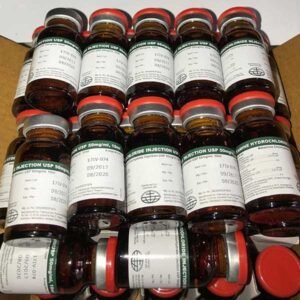
Ketamine Mission Pharma 50mg/1ml
Price range: $400.00 through $2,000.00 Select options This product has multiple variants. The options may be chosen on the product page -
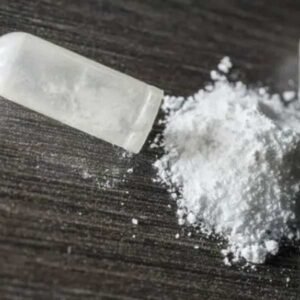
Pure Ketamine Powder
Price range: $350.00 through $2,400.00 Select options This product has multiple variants. The options may be chosen on the product page -
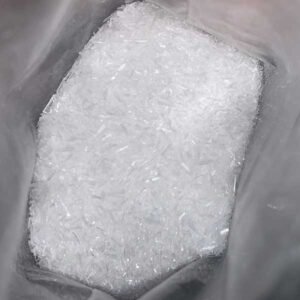
Ketamine Shards
Price range: $300.00 through $2,200.00 Select options This product has multiple variants. The options may be chosen on the product page
Reviews
There are no reviews yet.